10 Best Free AI Agents Like AutoGPT for 2026
The best free AI agents like AutoGPT for 2026 — autonomous agents that plan, browse, code, and ship tasks without expensive subscriptions, plus which is right for you.

The best free AI agents like AutoGPT for 2026 — autonomous agents that plan, browse, code, and ship tasks without expensive subscriptions, plus which is right for you.
If you have played with AutoGPT, you know the promise: give an AI agent a goal, and it plans, browses, codes, and executes until the job is done. The catch is that vanilla AutoGPT can loop endlessly, burn tokens, and needs its own API keys.
In 2026, the landscape has matured. You can run genuinely useful autonomous agents without paying a cent — some open source, some with generous free tiers, and some that are free forever. This guide ranks the 10 best free AI agents like AutoGPT, and tells you exactly what each one is good for.
Autonomous agents turn a chatbot into a worker. Instead of writing a prompt and pasting the answer, you hand over a goal — "research these competitors and write a summary," "build a landing page," "find 50 leads and format them in a spreadsheet" — and the agent handles the multi-step execution.
The free options in 2026 are genuinely capable, but they come with trade-offs: open source tools require technical setup, and managed platforms cap your monthly credits. Understand those limits and a free agent will do serious work for you.
AutoGPT started the autonomous agent craze in 2023 and remains the reference implementation. It is open source, free to self-host, and gives you total control: you define the goal, the model, and the tools it can use. It browses, runs code, writes files, and loops until the task is complete.
The drawbacks are well documented — it can wander, repeat itself, and burn API credits if you don't set tight limits. The newer versions are far more stable than the 2023 originals, and there is now a cloud platform with a free tier plus paid plans starting around $20–$40/month.
Best for: Developers who want full control and are comfortable with the terminal.
AgentGPT is the friendlier sibling of AutoGPT. No installation, no API keys — you open the website, describe a goal, and it spins up an autonomous agent that plans tasks and works through them right in your browser. For 2026, it supports model selection and is the fastest way to try an autonomous agent with zero setup.
Its free tier has limits, and long-running tasks can stall, but as an on-ramp to agentic AI it is unbeatable. If you want the AutoGPT experience without touching a terminal, this is where to start.
Best for: Beginners and anyone who wants a quick taste of autonomous agents.
Read the full AgentGPT review.
Taskade is a project management platform that has become one of the most accessible places to run AI agents for free. You get a genuinely useful free plan, and its AI agents automate tasks inside your own workflow — generating project plans, running research, drafting content, and turning a one-line brief into a full execution checklist.
Because the agents live inside your project workspace, they are grounded in your own docs and tasks, which makes them more reliable than generic web agents. The free tier supports multiple projects, and paid plans start around $10–$24/month when you outgrow it.
Best for: Teams and individuals who want agents wired into their project management.
ZAPT lets you build autonomous agents and AI apps with plain English — no code required. It is genuinely free to use: you describe the agent you want, and it generates a working app you can publish to the GPT Store. Revenue from the store is shared with you, which makes ZAPT the rare agent platform you can earn from.
It is built on top of GPT-4o and supports real-time voice, tools, and complex multi-step workflows. The free tier is generous enough to build and ship without paying anything.
Best for: Non-coders who want to build and publish AI apps for free.
Manus made headlines in 2025 as a genuinely autonomous agent that writes its own plan, browses, uses its own tools, and produces finished deliverables like spreadsheets and presentations. It is the closest thing to a personal AI employee, and during its 2026 early-access window it is free to use.
The trade-offs: access is often waitlisted, sessions can be slow under load, and a paid model is expected to roll out. If you can get in, it is worth experiencing the state of the art — just don't rely on it for time-critical work yet.
Best for: Power users who want maximum autonomy and can handle waitlists.
Read the full Manus AI review.
Microsoft Copilot bundles AI features into your existing tools, and the consumer tier is free. In 2026 that includes agent-style capabilities: research agents that browse and cite sources, image generation, and coding help inside your workflow — all with a generous free allowance and a $20/month Pro tier for power users.
It is not an open-loop autonomous agent like AutoGPT, but for everyday tasks it is the most reliable free option because Microsoft picks up the infrastructure cost. If you want agents without managing anything, this is the easy choice.
Best for: Anyone who wants capable AI built into tools they already use.
Read the full Microsoft Copilot review.
Gemini's free tier remains one of the best values in AI. It handles long research conversations, web search with citations, document analysis, and increasingly agentic workflows like planning trips or drafting code — all free, with 2.5 Pro-level performance on the free tier when available.
For true agent autonomy you still need a dedicated platform, but Gemini covers the 90% case: fast, free, and good enough for research and planning tasks. A premium tier at $20/month unlocks the full agentic suite.
Best for: Fast, free, everyday AI with search built in.
Read the full Google Gemini review.
AutoGen is Microsoft's open source framework for building your own multi-agent systems. Unlike the tools above, it is not a product — it is a Python framework you use to compose agents that talk to each other, use tools, and execute code. It powers many production agent deployments.
It is completely free, fully open source, and gives you the flexibility of AutoGPT with better structure for real applications. The cost is that you write code, so it is only for developers.
Best for: Developers building production agent systems.
CrewAI is an open source framework for orchestrating crews of specialist agents — a researcher, a writer, a reviewer — that hand off work like a real team. It is free to self-host, popular with developers, and pairs well with OpenAI, Anthropic, and open models.
The hosted platform has free and paid tiers, but the framework itself is the value: you design roles, tasks, and workflows in Python and run them on your own infrastructure.
Best for: Developers who want structured multi-agent workflows.
Replit's agent builds and deploys applications from a prompt — describe the app, and it writes code, runs it, and deploys it. It is not a general-purpose autonomous agent, but for shipping software it is one of the most impressive free agent experiences available in 2026.
The free tier gives you a real monthly allowance of agent usage, and paid plans start around $25/month for heavy use. If building software is your goal, it competes with (and sometimes beats) dedicated coding agents.
Best for: Building and deploying apps from a plain English prompt.
Read the full Replit Agent review.
Match the agent to what you actually want to do:
Is AutoGPT really free?
The open source version is free, but you supply your own LLM API key and pay per token. The AutoGPT cloud has a limited free tier and paid plans from about $20/month.
Which free AI agent is most reliable?
For out-of-the-box reliability, managed platforms like Taskade and Microsoft Copilot are steadier than self-hosted agents like AutoGPT, which can loop and burn tokens if not configured carefully.
Do free agents have limits?
Almost all do — monthly credits, session limits, or queue times. Open source agents shift the limit to your API budget. Managed platforms cap free usage per month but are still genuinely useful.
The bottom line: Free autonomous agents are real in 2026, and the best move is to start with the friendliest option (AgentGPT or Taskade) and graduate to open source power (AutoGPT or CrewAI) when you outgrow the limits. Explore every option in the AI Agents category.
Get our best AI tool reviews and guides delivered to your inbox each week. No spam, unsubscribe anytime.

Written by
Editorial Team
The AI Tools Vault editorial team researches, tests, and reviews the best AI tools across every category.
More reading on guides & how-to
 Guides & How-To
Six free AI photo enhancers, six different deals. What each free tier really allows, what AI cannot recover, and how to check a result before trusting it.
 Jawad Fiaz
 Guides & How-To
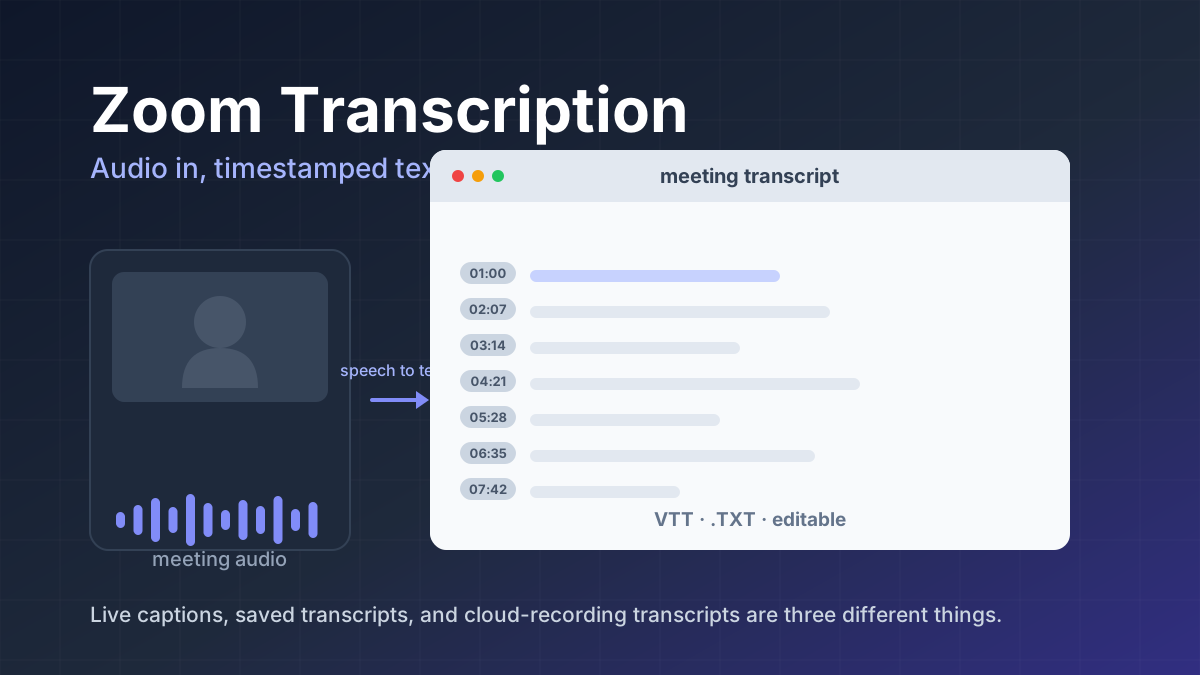
Zoom transcription turns meeting audio into text. Learn the difference between transcripts, captions, and AI summaries, how to enable them, and when to use third-party tools.
Jawad Fiaz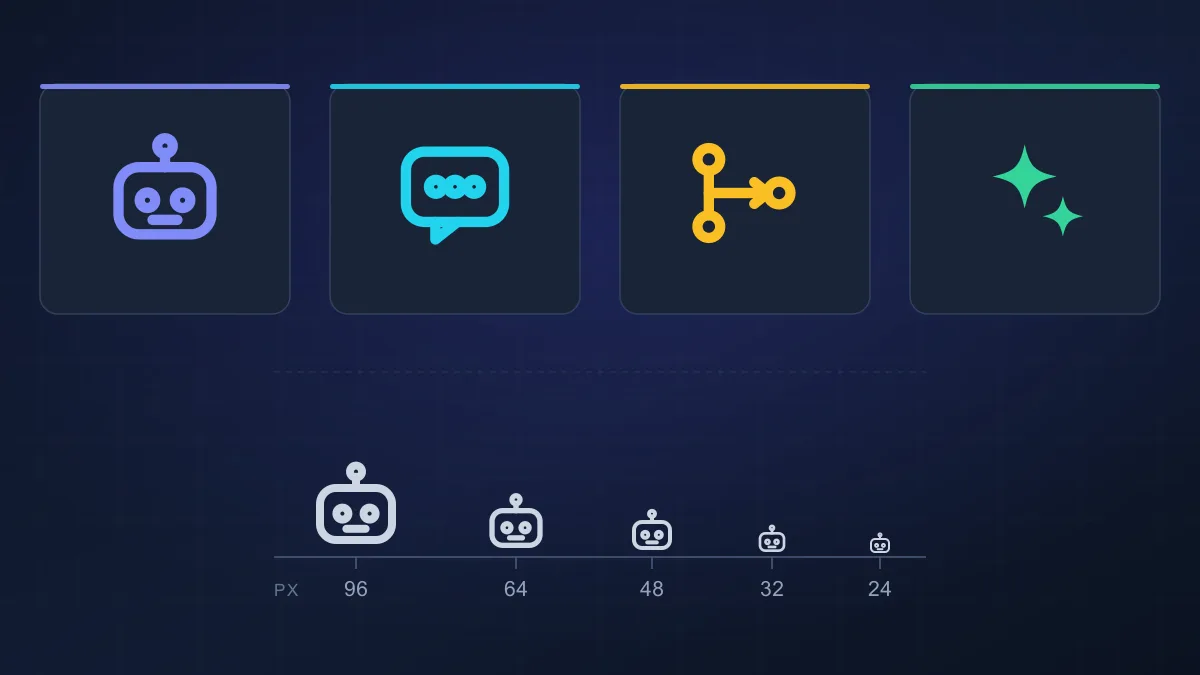 Guides & How-To
An AI agent icon can name an agent, mark an AI feature, show live status, or point at a tool. Here is what the common symbols mean, where to find one, and what to check before you ship it.
AI Tools Vault Team