Free AI Voice Generator: Create Natural Voiceovers With AI
Turn text into natural spoken audio without a microphone or studio. How free AI voice generators work, where the limits are, and how to get better results.
Turn text into natural spoken audio without a microphone or studio. How free AI voice generators work, where the limits are, and how to get better results.
Creating a voiceover used to require a microphone, recording software, a quiet room, and usually several attempts to get the final result right.
A free AI voice generator offers a much simpler starting point. You can enter text, choose an available voice, and generate spoken audio without recording everything yourself.
For a short video, presentation, explainer, social post, or personal project, this can save time and make voice production more accessible.
A free AI voice generator is a tool that uses artificial intelligence to turn written text into speech — essentially text to speech AI with modern neural voices.
Instead of recording your own voice, you provide the words you want spoken. The system then produces an audio version using a synthetic voice.
The quality and available features depend on the tool. Some platforms offer only basic voices in their free plans, while others include multiple languages, different speaking styles, or limited monthly usage.
The word free also needs some context. A service may offer a free plan, free credits, or a limited number of generations rather than unlimited use. Treat every free tier as a trial with its own rules.
Most tools follow a simple process built on modern AI text to speech models.
You start by entering a script or copying text into the editor. You then choose a voice and, when supported, adjust settings such as pronunciation, speed, or tone.
The AI processes the text, predicts how it should sound, and generates an audio file.
A typical workflow looks like this:
Write → Choose a voice → Generate → Review → Download
The exact options vary from one platform to another.
The biggest advantage is convenience.
You can create a voiceover without setting up recording equipment or learning complicated audio software. That makes an AI voiceover generator useful for people who need quick audio but do not have professional recording experience.
It can also be useful for testing an idea before spending money on a paid voice service.
For example, a content creator might draft narration with a free tool, listen to it, and then decide whether a premium voice or professional recording is necessary.
AI-generated voices can fit into many different projects.
Creators can turn scripts into narration for educational videos, tutorials, reviews, and other formats.
Short-form content often needs quick narration. A generated voice helps creators produce drafts faster.
A voiceover can add narration to slides, product demos, or training material.
Teachers can use free text to speech AI output for lessons, explanations, or supporting audio.
Businesses can add narration to tutorials, walkthroughs, or promotional videos.
A free AI voice generator also makes written material easier to consume for people who prefer listening over reading.
A free AI voice generator can be enough for simple projects, but free plans usually come with restrictions.
These may include:
That does not make free tools useless. They are often a good way to test voice quality and understand the workflow before paying for additional features.
The important thing is to check the actual terms of the specific platform you use.
The quality of the final voice is not only about the AI model. Your script matters too.
Short, clear sentences are generally easier to listen to than long blocks of complicated text.
Punctuation affects delivery. Commas, full stops, and paragraph breaks help create more natural pauses.
Before generating the final version, read your script out loud. If a sentence sounds awkward when you say it yourself, it will probably sound unnatural when synthesized.
It also helps to:
Dedicated platforms such as ElevenLabs focus on lifelike speech and expressive delivery, so comparing a general tool against a specialist is worth an afternoon.
These two get confused constantly, and the difference matters.
A standard free AI voice generator creates speech using voices the platform already provides. You type text, pick a ready-made voice, and generate audio. Nothing about your own identity is involved.
AI voice cloning works differently. It copies a specific person's voice from audio samples, then speaks new text in that voice. The technology has legitimate uses — narrators cloning their own voice for efficiency, for example — but it also raises consent questions that ordinary text-to-speech does not.
Unless you have explicit permission, stick to provided voices. Cloning someone else's voice without approval can create ethical, legal, and platform-policy problems.
It can work well.
For tutorials, explainers, educational videos, and simple narration, a free AI voice generator saves substantial production time. Pair it with our free AI video generator guide to build complete videos without appearing on camera.
Before publishing, check the licensing terms and make sure your chosen voice can legally be used for monetized content.
Also listen to the complete video. Small pronunciation problems that seem minor during generation become distracting once the voice is combined with music and visuals.
It is worth thinking about privacy when using AI audio services.
Do not upload sensitive information simply because a tool accepts text input. Scripts containing personal details, unreleased business information, or private conversations belong in your recording software, not a random web form.
For normal projects, use your own scripts and voices you are authorized to use.
Not in every situation.
AI voices handle many routine narration tasks well, but professional voice actors still offer things software struggles to reproduce consistently: nuanced emotion, character performance, and highly specific delivery.
The best choice depends on the project.
For a quick tutorial or draft video, an AI voice may be completely practical. For a major commercial or character-driven production, professional recording remains the better option.
There is no single best voice generator for everyone.
A student making a presentation may only need a simple free service.
A YouTube creator may care more about natural narration and download options.
A business may need commercial rights, consistent voices, and larger usage limits.
Start with the actual project you need to complete, then compare tools against those requirements. Trying a free AI voice generator online before committing to any paid plan tells you more than feature lists ever will.
If your narration needs visuals too, some tools such as Fliki combine AI voices with video creation — worth checking before stitching separate tools together.
It is a tool that uses artificial intelligence to turn written text into spoken audio. You enter a script, choose a voice, and generate narration without recording equipment or audio editing skills.
It can be. For tutorials, explainers, and educational videos, generated narration saves substantial production time. Check the tool's licensing terms first, and listen to the complete output before publishing.
Not in every situation. AI handles routine narration well, but professional actors still deliver nuanced emotion, character performance, and highly specific delivery that software struggles to reproduce consistently.
Most free AI voice generator platforms offer plans, credits, or limited generations rather than unlimited use. Expect restrictions such as character caps, fewer voices, watermarks, or limited commercial rights on free tiers.
It depends on the platform's terms. Some free tiers restrict commercial usage while paid plans include licensing. Always verify the specific terms of the tool you choose before client work or ads.
Voice generation creates speech from text using existing synthetic voices. AI voice cloning copies a specific person's voice from audio samples, which raises consent and identity concerns that plain text-to-speech does not.
Write short clear sentences, use punctuation to control pauses, spell difficult names phonetically, and read your script aloud first. Conversational wording synthesizes far better than formal blocks of text.
For normal text-to-speech with your own scripts, yes. Be cautious with voice cloning — using someone else's voice without permission can create ethical, legal, or platform-related problems.
A free AI voice generator makes voice production far easier for people without recording equipment or professional audio skills.
Use it to test ideas, create simple narration, produce educational content, and speed up everyday video workflows.
Just look beyond the word free. Check voice quality, usage limits, download options, and licensing terms before the audio appears anywhere important.
AI voice technology is a genuinely useful production tool, but the final result still depends on the script, the editing, and how you use it.
You can explore more useful AI software and tools at AI Tools Vault.
Get our best AI tool reviews and guides delivered to your inbox each week. No spam, unsubscribe anytime.
Written by
Editorial Team
The AI Tools Vault editorial team researches, tests, and reviews the best AI tools across every category.
More reading on guides & how-to
 Guides & How-To
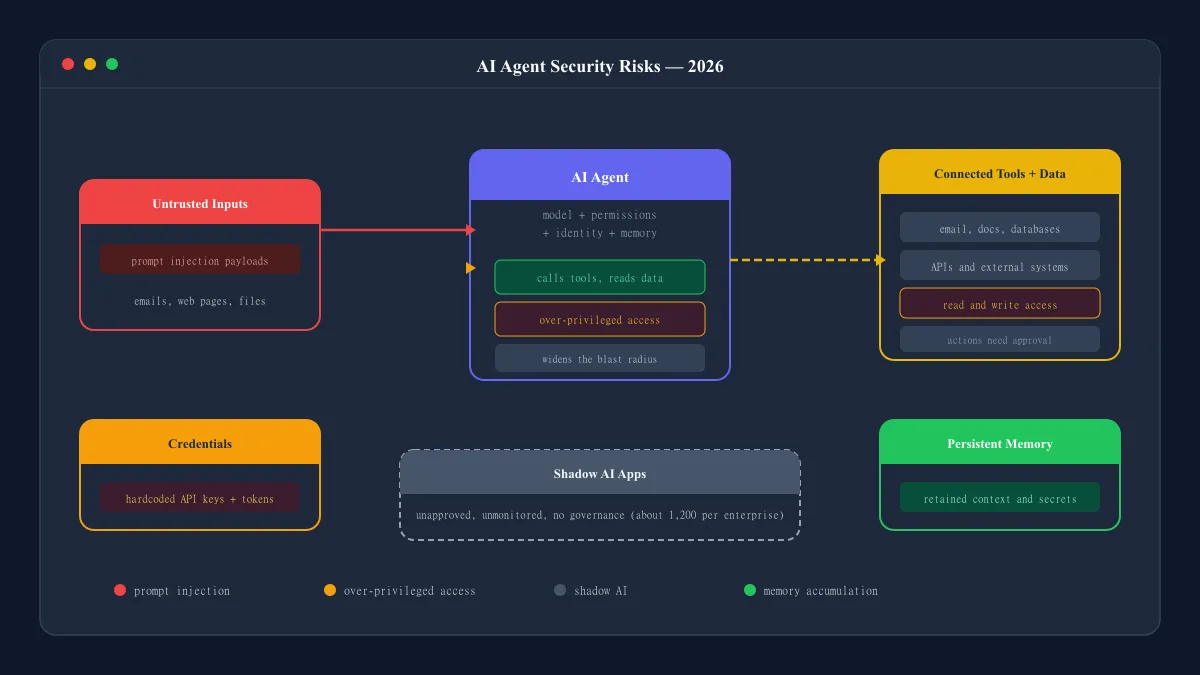
AI agent security in 2026: why connected agents raise new risks, the failures that keep showing up, what the Moltbook incident really teaches, and practical steps that help.
 AI Tools Vault Team
 Guides & How-To
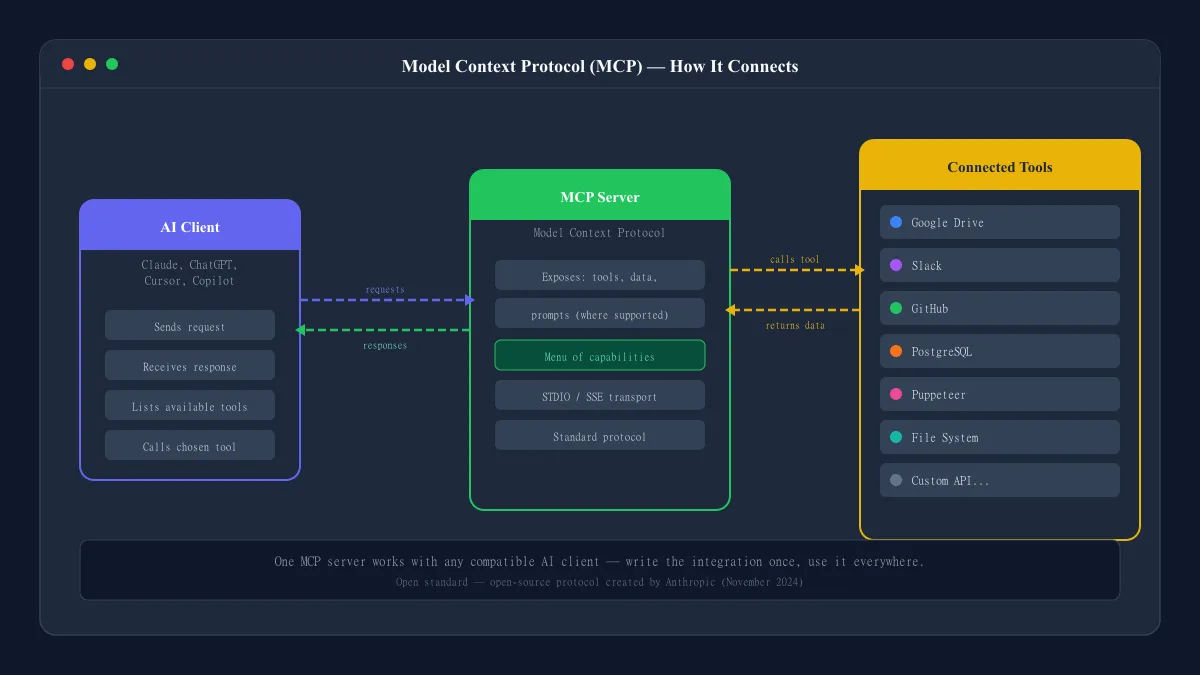
An MCP server is what lets compatible AI applications connect to external tools and data through the Model Context Protocol. Here is how it works, where you have probably seen it, and what to watch out for.
AI Tools Vault Team Guides & How-To
What an AI powered coding assistant actually does, where it helps most, where it can fail, and how developers at every level should evaluate and use these tools.
AI Tools Vault Team