How AI Video Generators Work in 2026: Complete Guide
AI video generators are turning text prompts and images into video clips. Here's how they work, what they create, and how to get better results in 2026.

AI video generators are turning text prompts and images into video clips. Here's how they work, what they create, and how to get better results in 2026.
Creating a video used to require cameras, editing software, scripts, voiceovers, and a lot of time. Today, an AI video generator can handle many of those steps from a simple text prompt, image, or script.
That is why video generator AI tools are becoming increasingly useful for creators, marketers, businesses, educators, and social media users.
Modern systems can turn ideas into short video clips, transform images into motion, add audio, and help users create content without traditional video-production skills. Google's current Veo 3.1, for example, supports video generation from text and images, with expanded creative control and audio capabilities.
An AI video generator is a software tool that uses artificial intelligence to create or transform video content.
Instead of manually creating every scene, users can provide instructions such as:
"Create a cinematic sunrise over a modern city with slow camera movement."
The AI then interprets the request and generates a video based on the prompt.
Different tools support different workflows. Some focus on text-to-video generation, while others can turn images into animated clips, create presenter-style videos, or help edit existing footage.
Most AI video generators follow a fairly simple workflow.
You describe what you want to see.
A stronger prompt usually includes the subject, setting, movement, camera style, lighting, and overall mood.
The AI processes the instructions and creates a video clip.
The first output may not be perfect. You may need to change the prompt, adjust the visual style, or regenerate the scene.
Depending on the platform, you may be able to change the aspect ratio, add audio, modify scenes, or export the finished video.
This makes AI video generation more like an iterative creative process than a single-click solution.
Modern AI video tools can support a wide range of content.
This is one of the most popular workflows. You provide a written description and the system creates a video from it.
Some systems can take a still image and generate motion around it. This can be useful for turning artwork, product images, or photographs into short clips.
Businesses can use AI-generated video for product concepts, social media content, advertisements, and promotional material.
Teachers and creators can use generated scenes to explain concepts or make lessons more visual.
Short vertical clips are especially useful for platforms where users consume fast, visual content. Google has specifically highlighted vertical video support in recent Veo updates.
The biggest reason is accessibility.
Traditional video production can require expensive equipment and specialized skills. AI tools lower the barrier by allowing users to start with an idea instead of a full production setup.
The technology is also becoming more capable. Google describes Veo 3.1 as providing greater control, consistency, and creativity, while supporting audio and different video-generation workflows.
At the same time, AI video is expanding beyond simple text prompts. Users increasingly expect tools to support images, audio, editing, consistency, and multiple creative controls.
AI generation and traditional editing are not exactly the same thing.
Traditional video editing gives you precise control over existing footage. You can cut clips, adjust timing, change colors, mix audio, and build a complete timeline.
An AI video generator starts from an idea and attempts to create visual content from that idea.
The two approaches can work together.
For example:
AI generation → editing → voiceover → captions → final video
This workflow can be much more practical than expecting AI to create a complete professional production in one step.
The quality of your prompt matters.
Instead of:
"Make a video of a car."
Try something more specific:
"Create a cinematic close-up of a black sports car driving through a rainy city at night, with reflections on the road and a slow tracking camera."
Specific instructions can help the model better understand the visual goal.
It is also useful to generate short scenes separately rather than trying to describe an entire movie in one prompt.
Some AI video platforms offer free access, free trials, or limited generations, while others are subscription-based.
The exact limits, pricing, and availability can change frequently, so users should always check the current plan on the official product website before choosing a tool.
For example, Google announced that Google Vids would offer Veo-powered video generation with free monthly generations for users with a Google account, alongside additional capabilities for paid AI plans.
AI video generation has improved quickly, but it is not perfect.
Common challenges can include:
This means AI-generated video often works best when the creator reviews and edits the output instead of accepting the first result automatically.
Sora became one of the best-known AI video-generation products, but its product availability changed in 2026. OpenAI states that the Sora product was discontinued on April 26, 2026, so it should not be presented as a currently available standalone product.
This is an important reminder that the AI video market changes quickly. A tool that is popular today may change its pricing, availability, or product direction later.
AI video tools can be useful for:
Content creators who need ideas and short-form visuals.
Marketers who want to produce promotional concepts quickly.
Small businesses that need social media content without a full production team.
Educators who want to make lessons more visual.
Designers and filmmakers who want to experiment with concepts before traditional production.
The strongest use case is usually not replacing every part of video production. It is speeding up the early creative and production process.
Before choosing a platform, consider:
Does the generated output match the type of videos you need?
Can you control camera movement, style, characters, or composition?
Does the platform offer dialogue, sound effects, music, or other audio options?
Can you modify the generated clips before exporting?
Check free limits, credits, subscription costs, and commercial-use terms.
Choose a tool that fits how you actually create content.
The "best" AI video generator depends on your specific goal rather than a single universal ranking.
The number of AI video products is growing quickly, so discovering the right tool can take time.
You can explore AI software for video, writing, images, productivity, and other categories at AI Tools Vault.
Video generator AI is changing how people approach video creation.
Instead of starting with a camera and a blank editing timeline, creators can now start with a prompt, an image, or an idea.
The technology still has limitations, but it is becoming increasingly useful for content creation, marketing, education, and experimentation. The most effective approach is usually to combine AI generation with human creativity, editing, and quality control.
As AI video models continue to improve, the biggest advantage may not simply be generating video faster. It may be making professional-looking visual content accessible to more people.
Get our best AI tool reviews and guides delivered to your inbox each week. No spam, unsubscribe anytime.

Written by
Editor-in-Chief
Alex covers AI tools and product research, with a decade of experience writing about software for growing teams.
More reading on guides & how-to
 Guides & How-To
Six free AI photo enhancers, six different deals. What each free tier really allows, what AI cannot recover, and how to check a result before trusting it.
 Jawad Fiaz
 Guides & How-To
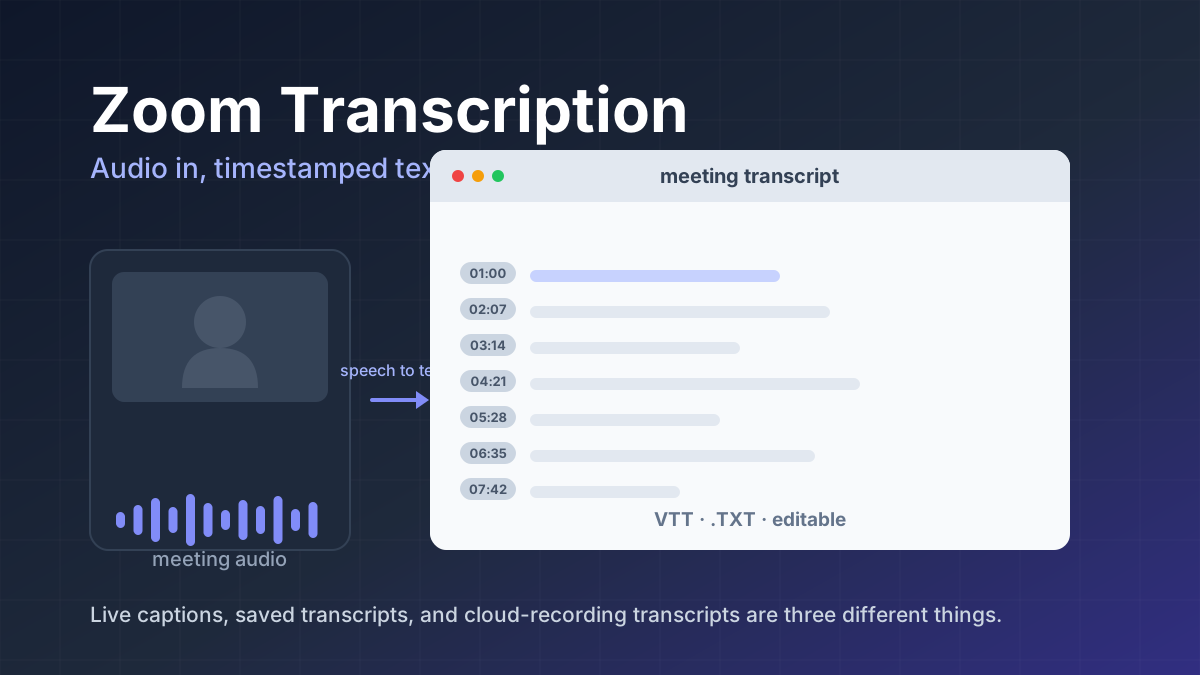
Zoom transcription turns meeting audio into text. Learn the difference between transcripts, captions, and AI summaries, how to enable them, and when to use third-party tools.
Jawad Fiaz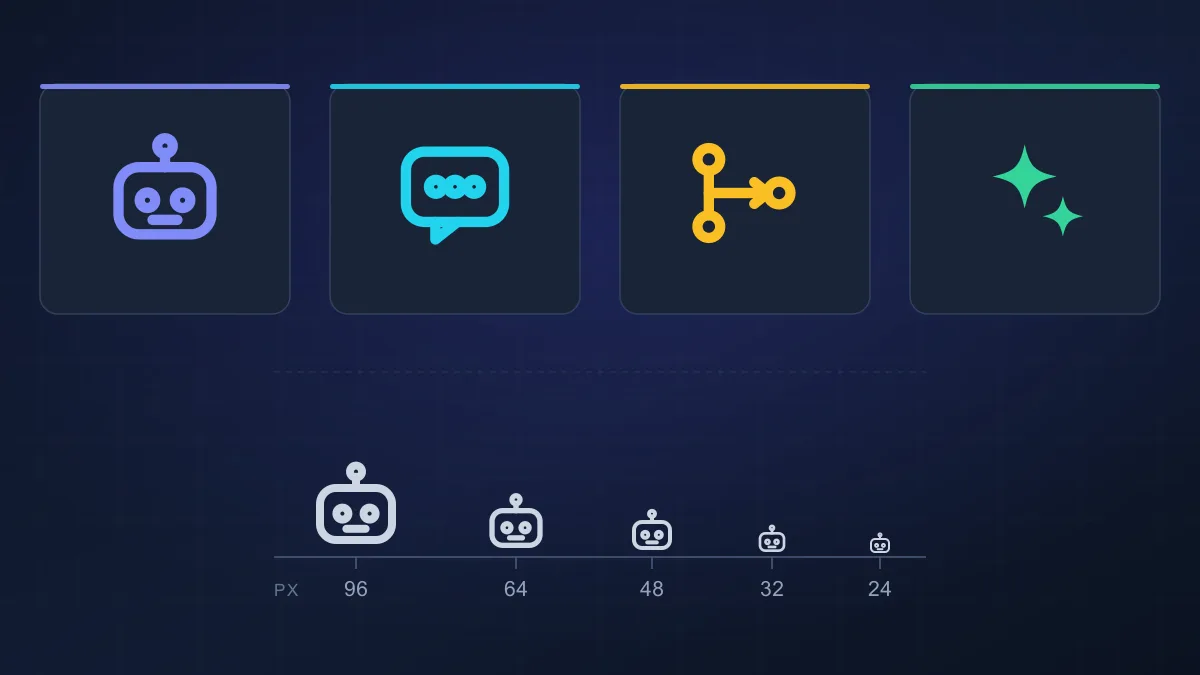 Guides & How-To
An AI agent icon can name an agent, mark an AI feature, show live status, or point at a tool. Here is what the common symbols mean, where to find one, and what to check before you ship it.
AI Tools Vault Team